
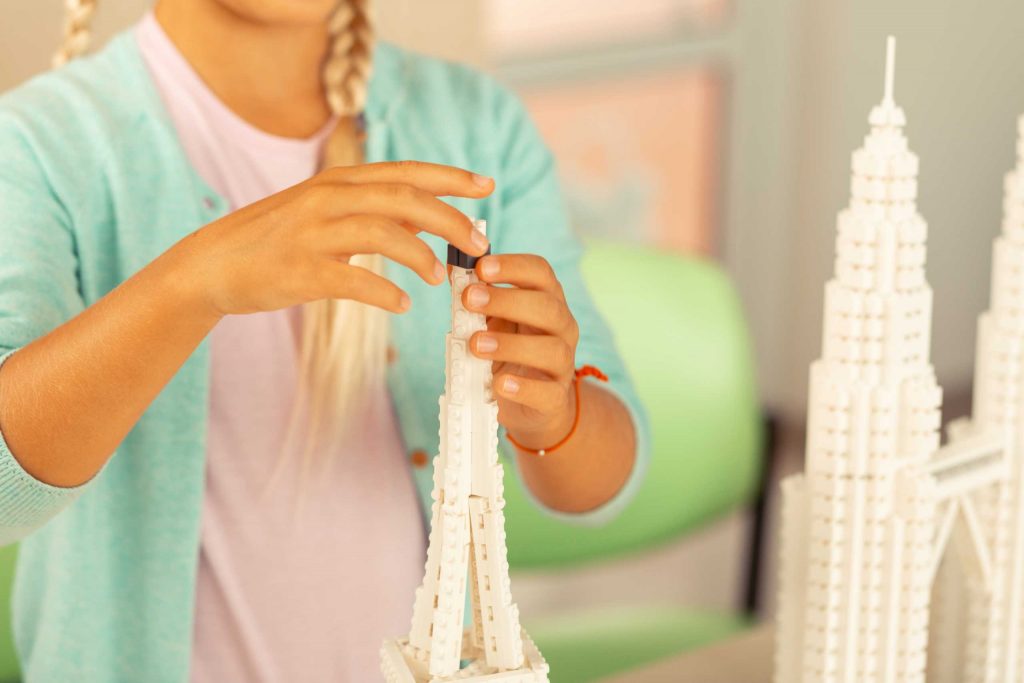
Model building is frequently dismissed as a hobby, but it is a discipline that requires attention, patience and a certain mindset. A model starts with a series of unrelated pieces, none of which have value without purpose, and every piece is assembled for a reason. You can’t build anything without intent.
The discipline of assembly manifests in a willingness to slow down and study the ways parts interact, to consider the implications of every action, and to understand the value of patience. It manifests in an attention to detail that is focused on the process rather than the completion. Here, assembly is a tool for learning to focus, for training hands and mind to work in concert.
Even mistakes have utility. In model building, errors are rarely terminal, and are mostly indicators of preparation and understanding. A poorly aligned joint or a weak bond indicates an exact moment where attention lapsed or assumptions were allowed to replace observation.
Attention and practice are the hallmarks of assembly discipline. They lead to a mastery of the tools and a sensitivity to materials that enables better building. With practice, it is possible to consider the differences between the clip and the bar, and to have both ready for the appropriate moments.
In the end, it’s the discipline of assembly that distinguishes the good builders from the bad. It’s the patience and attention to detail, the discipline of slowing down to learn and apply lessons at the brick level, the attention to process over completion. It’s the refusal to be satisfied with mediocrity, and the confidence that is inspired by the knowledge that what you’ve made is good.